Technical Resources

Industrial Fan Knowledge for Better Project Decisions.

Practical engineering notes for comparing fan types, defining operating conditions and preparing a clear technical enquiry.

Engineering Library

Start with the application, then define the fan.

Clear selection starts with airflow, pressure, operating environment and installation constraints—not a model number alone.

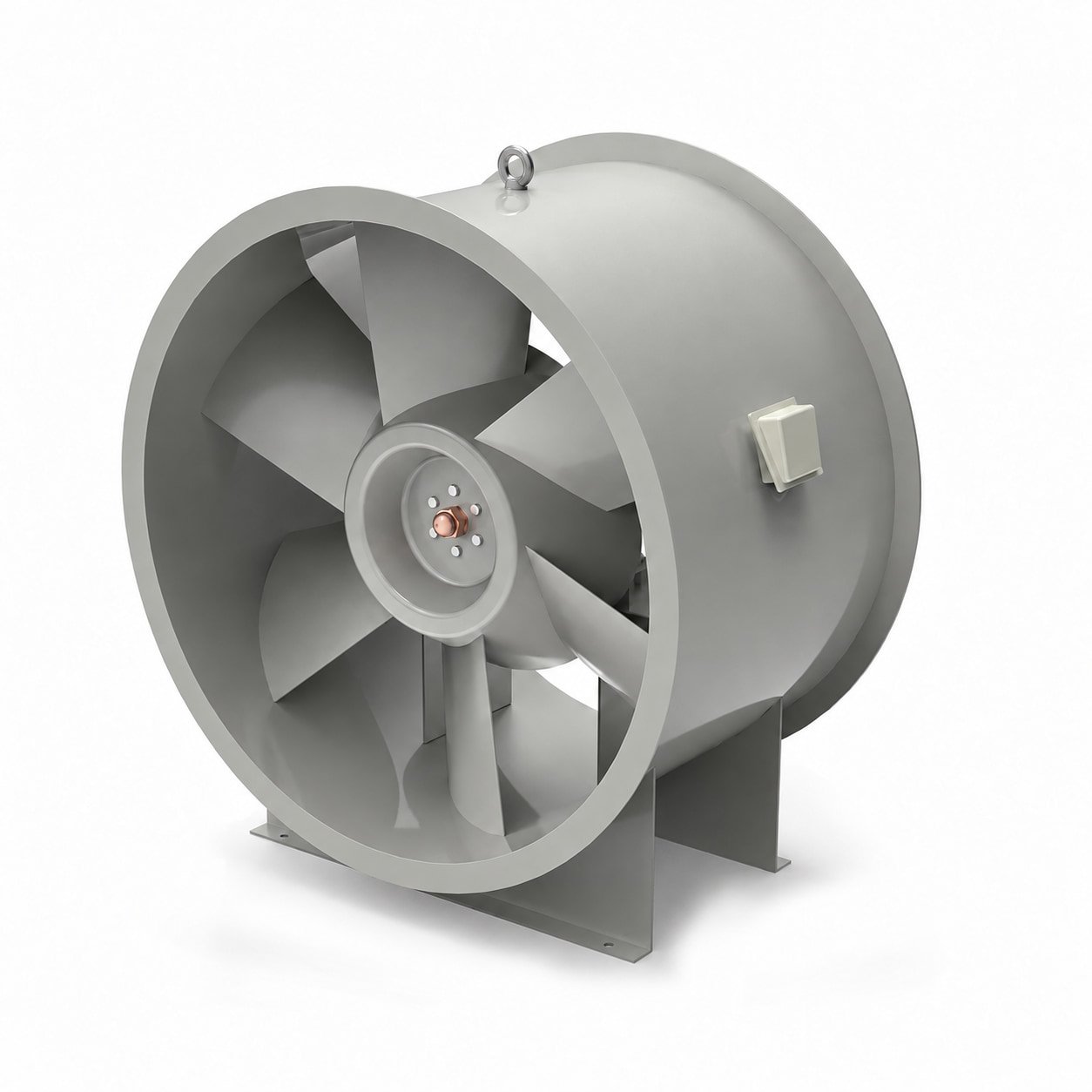
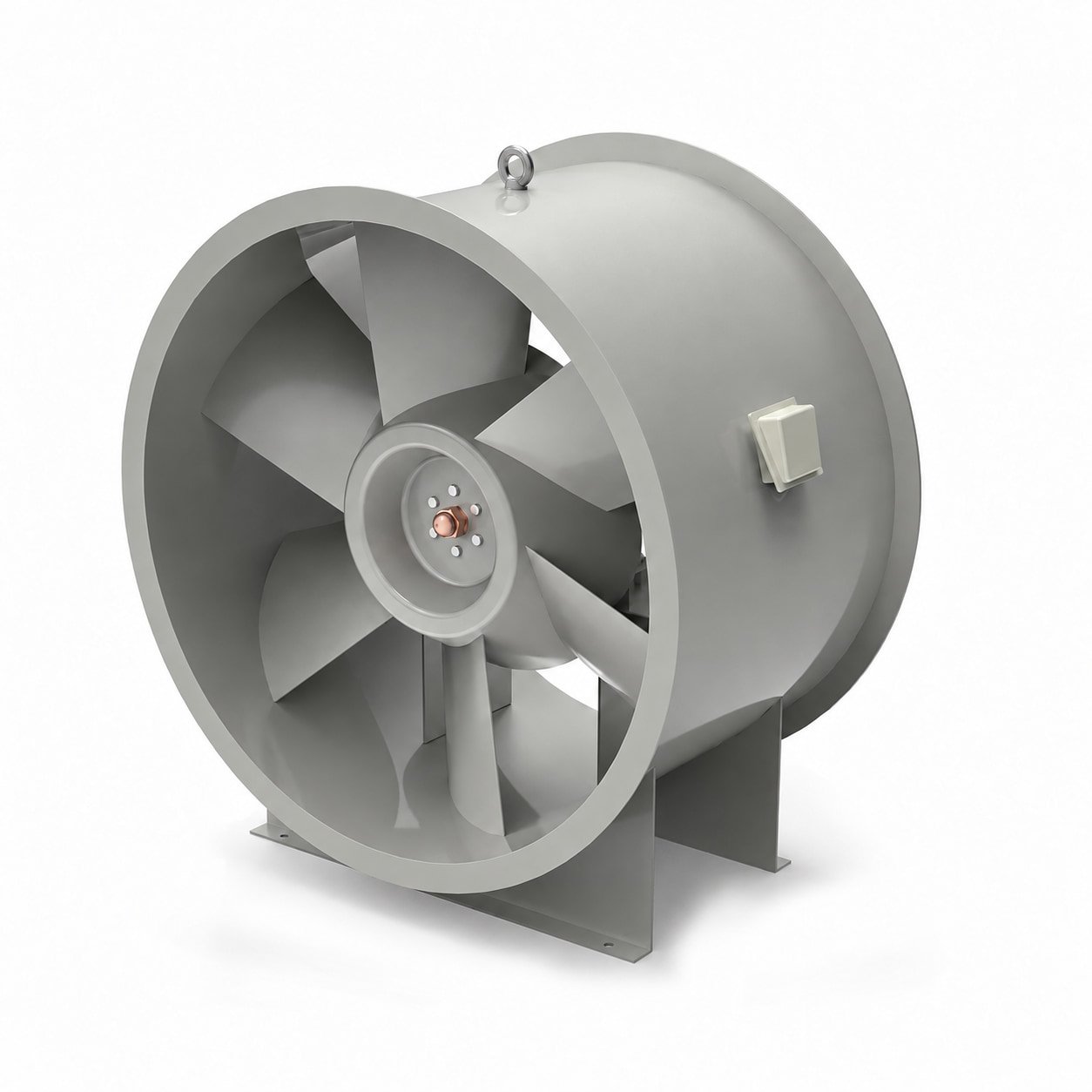
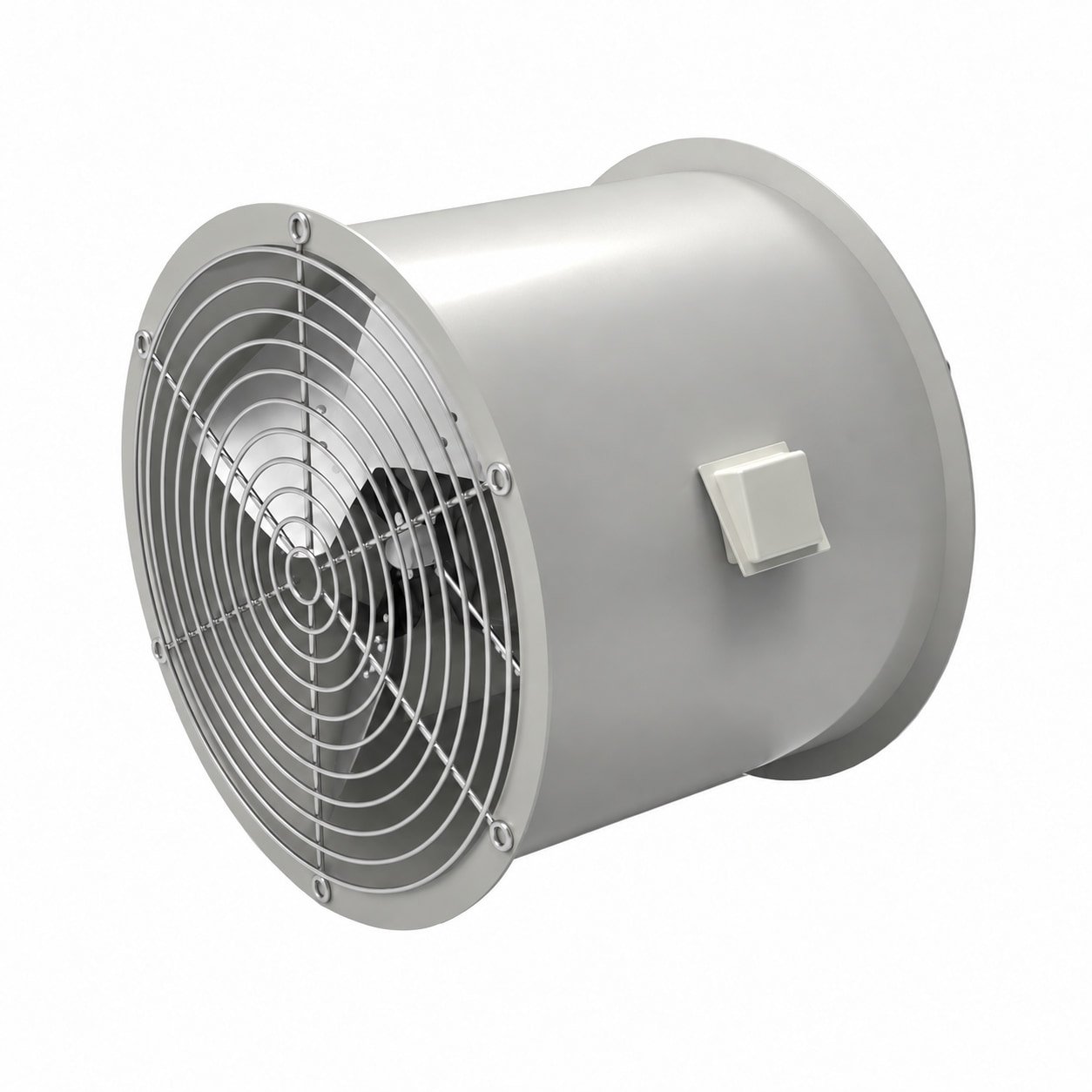
JSF low-noise axial fan showing its impeller and casing arrangement
Fan Selection2 min read

Axial fan blade types and where they are used

Axial fans should not be compared by diameter and motor power alone. Blade profile, blade count, pitch angle, hub ratio and tip clearance all affect airflow, pressure, efficiency, sound and the stable operating range.

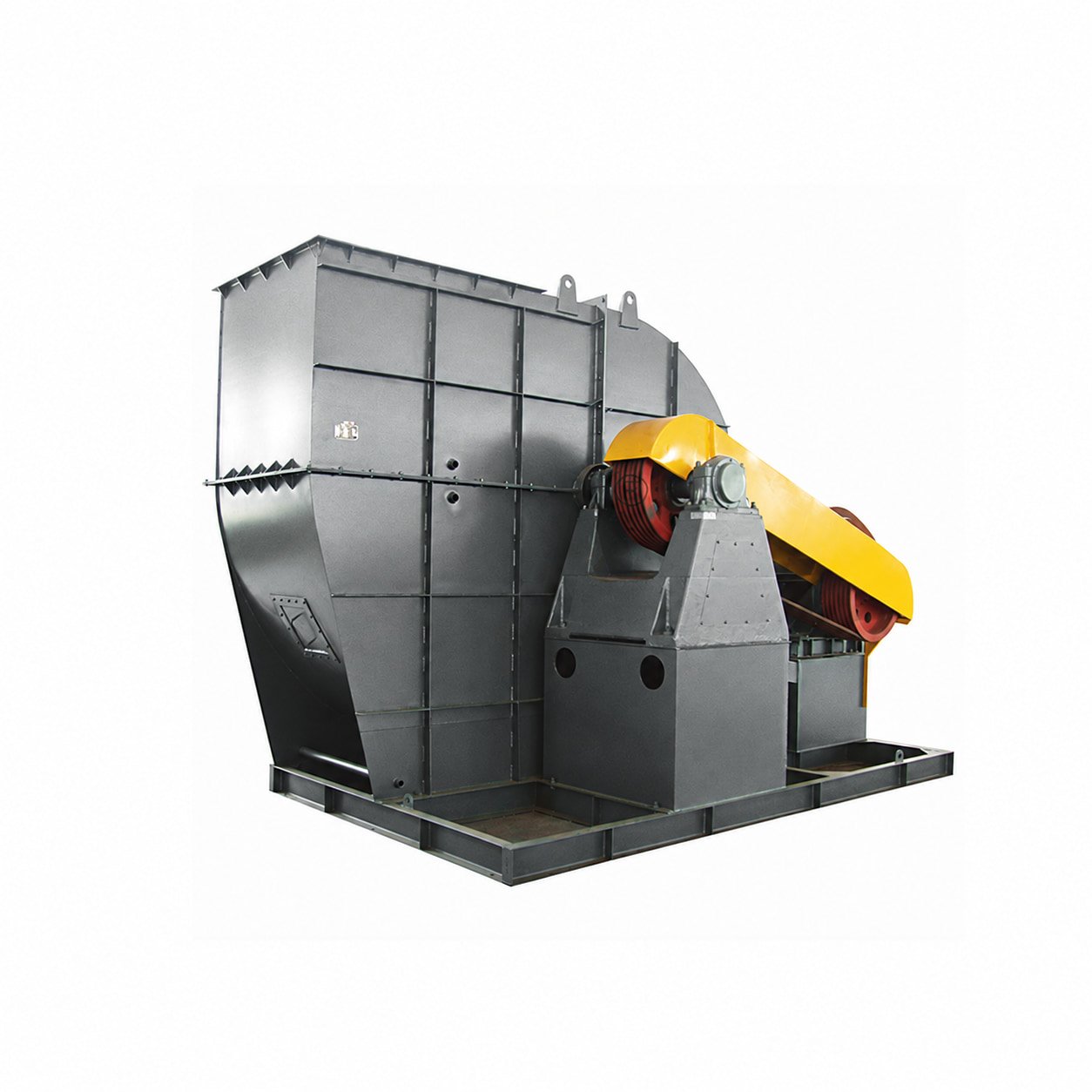
Industrial centrifugal fan requiring frequency-specific motor selection
Fan Selection2 min read

How 50 Hz and 60 Hz affect fan performance

The same fan and motor will not automatically deliver the same duty on 50 Hz and 60 Hz supplies. A change in speed affects airflow, pressure and absorbed power. The motor voltage, winding, pole count and allowable speed also have to match the supply.

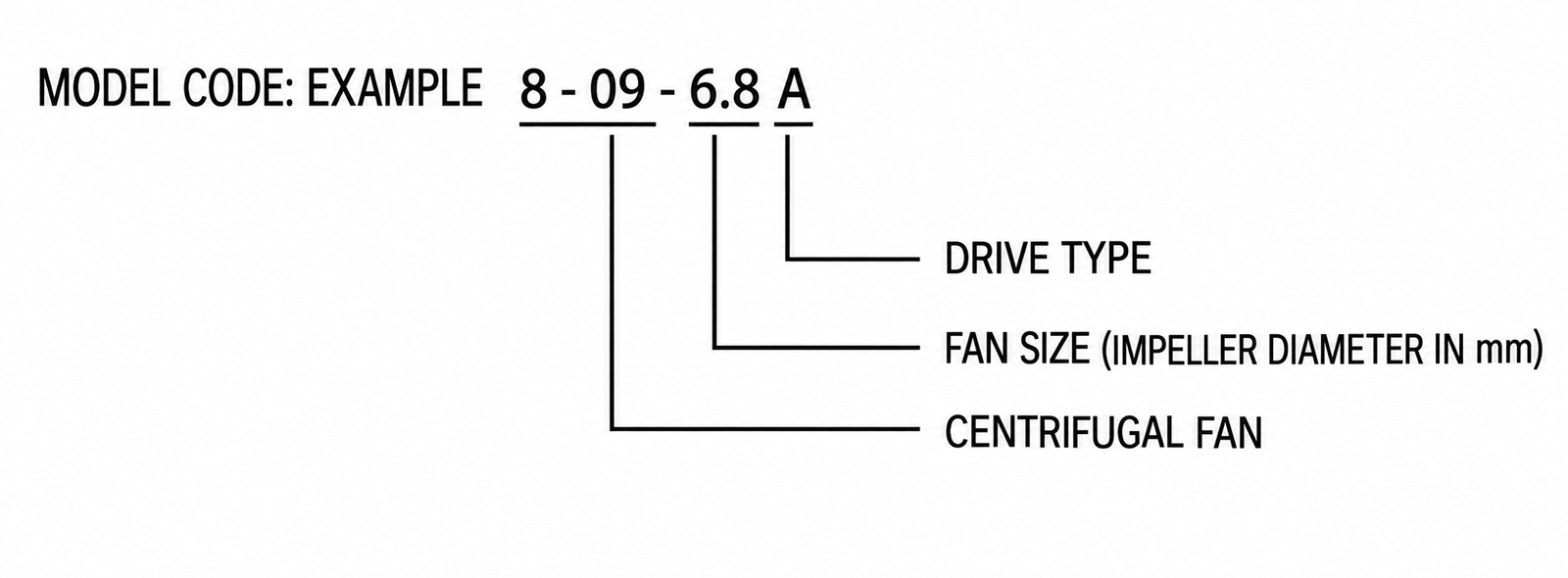
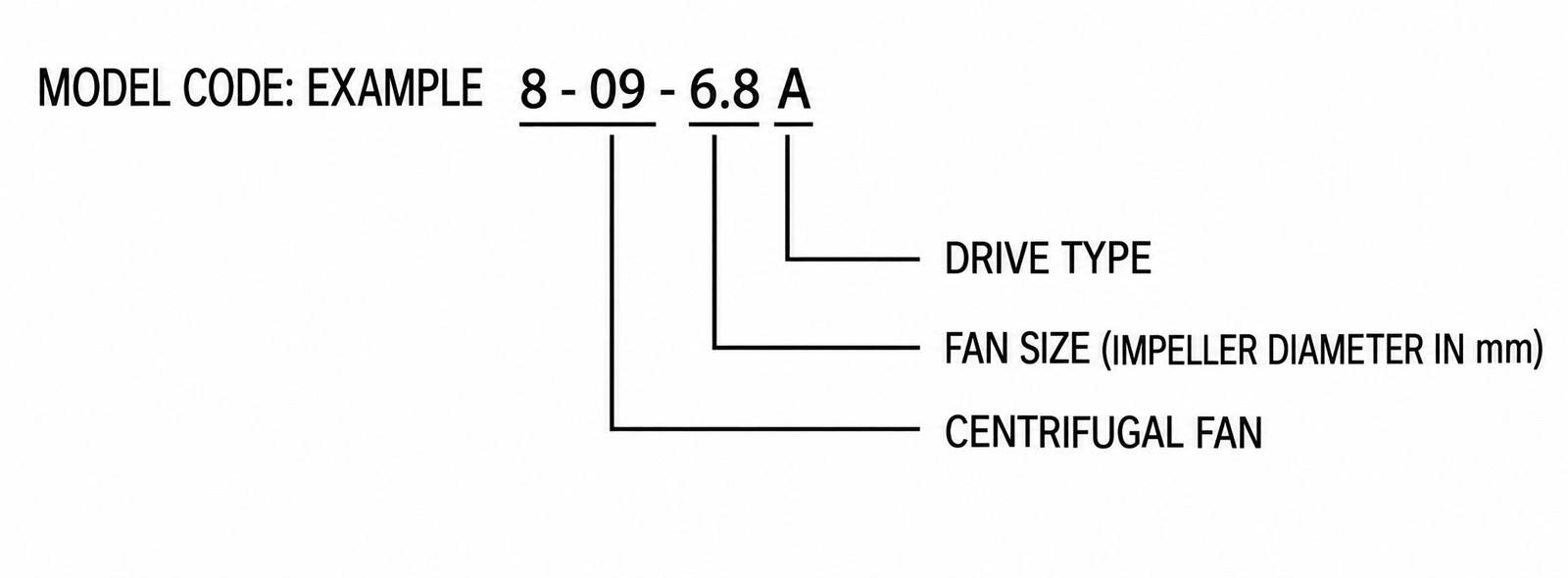
Performance diagram for an 8-09 high-pressure centrifugal fan
Fan Selection2 min read

How to read an industrial fan curve

A fan curve shows how one fan performs at a defined speed, impeller size and test condition. The useful point is not the maximum airflow or maximum pressure printed at opposite ends of the chart. It is the point where the fan curve meets the resistance curve of the real system.

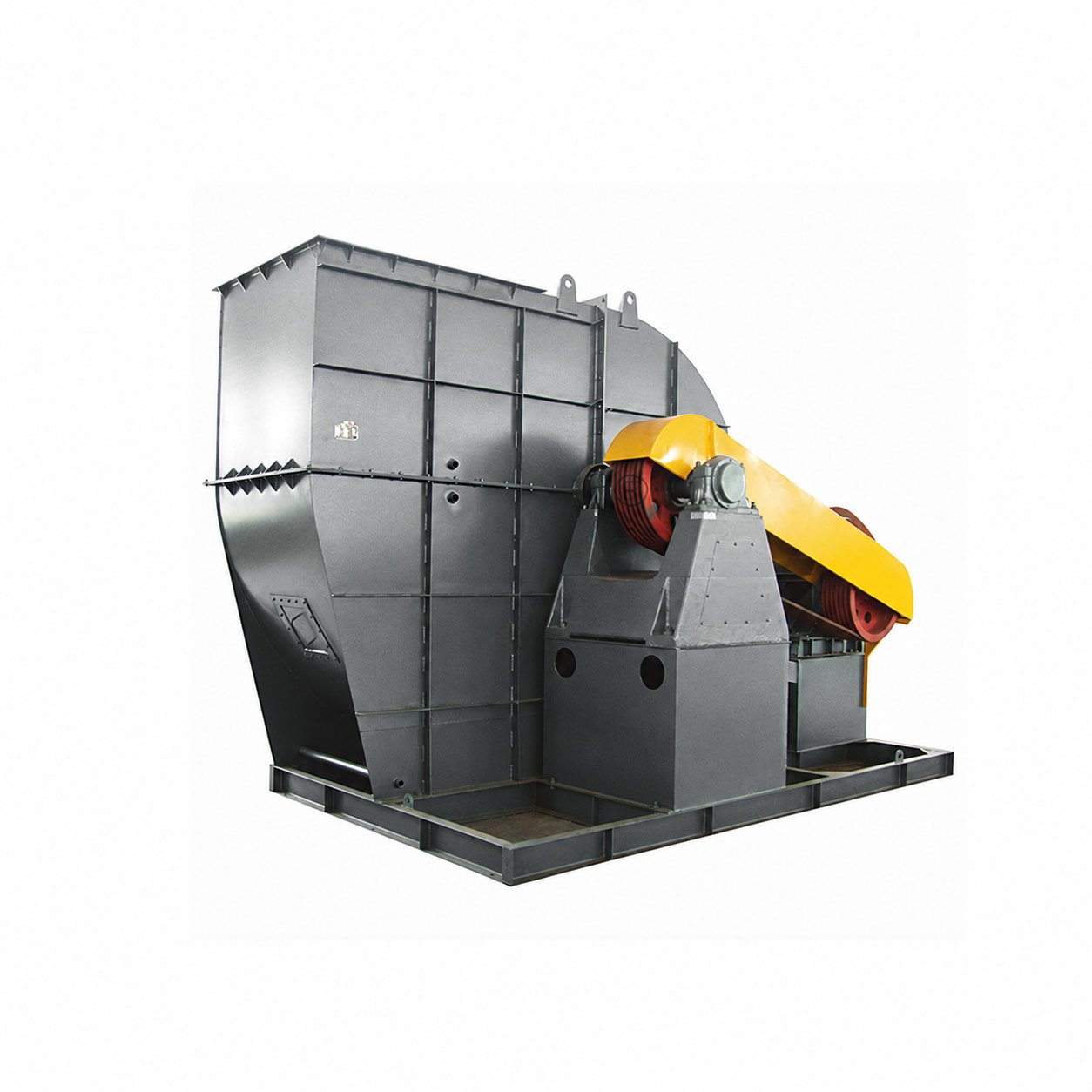
4-72 centrifugal fan for a duct system pressure example
Fan Selection2 min read

Fan static pressure, total pressure and system resistance

Static pressure and total pressure are not interchangeable. Total pressure includes static pressure and velocity pressure at the same reference point. System resistance is the pressure lost through ducts, fittings and equipment.

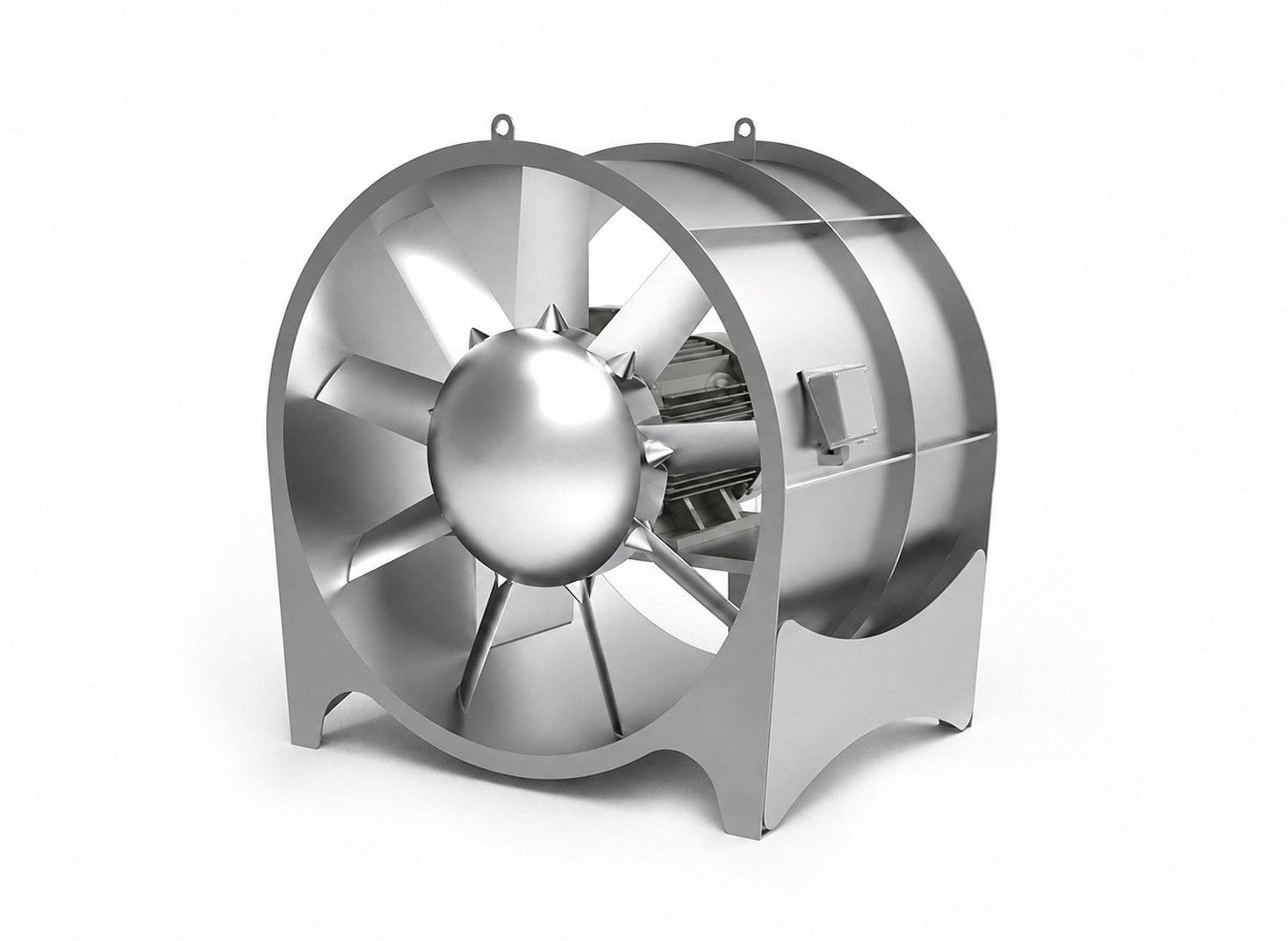
Low-noise axial fan used in a general ventilation airflow example
Fan Selection2 min read

How to calculate ventilation airflow

The right calculation depends on what the ventilation system is meant to control. Air changes per hour can give a rough room-ventilation figure. Heat removal needs a heat-load calculation. Contaminant control depends on the generation rate and allowable concentration. Local exhaust starts with capture velocity and hood design.

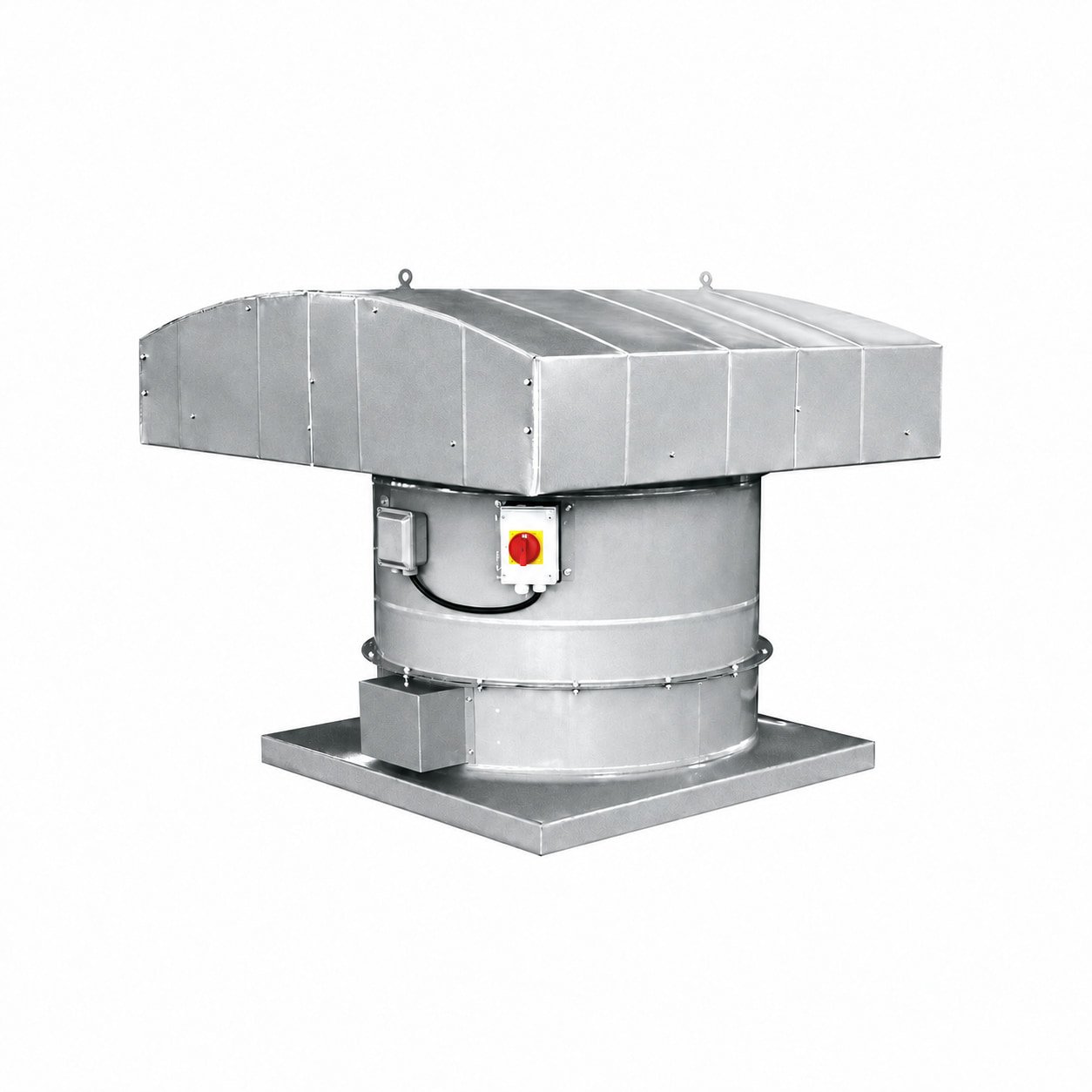
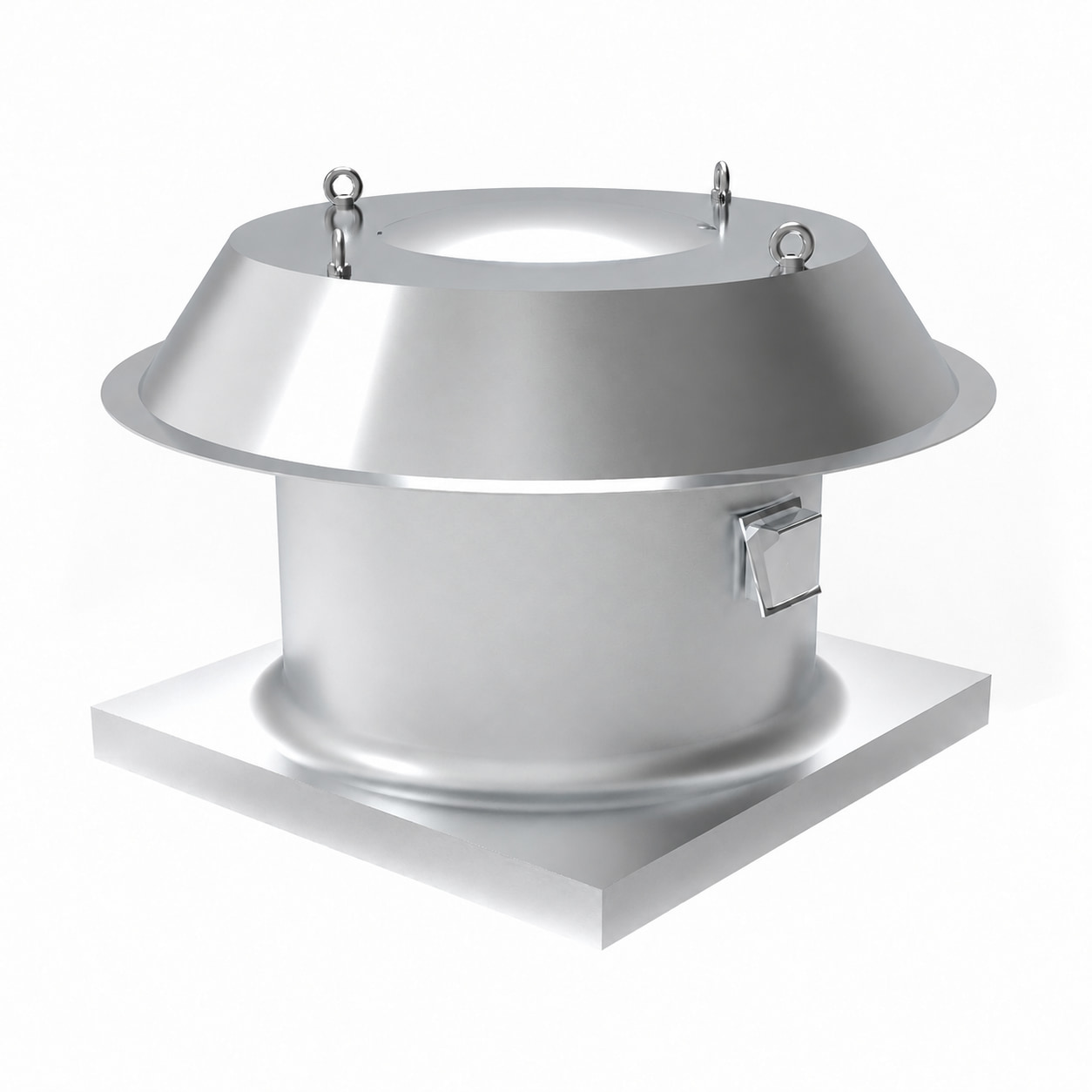
JSF-RE high-airflow roof exhaust fan for factory ventilation
Roof Ventilation2 min read

Roof exhaust fan selection for factories and warehouses

A roof fan should be selected around the heat or contaminant load, building height, make-up air path and system resistance. Floor area and air changes per hour are useful starting points, but they do not finish the job.

High-airflow industrial axial fan prepared for project selection
Fan Selection2 min read

What information should an industrial fan RFQ include?

A useful fan enquiry describes the duty, the gas, the site and the supply scope. A model number or airflow figure on its own rarely gives a supplier enough information for a reliable proposal.

T35 industrial axial fan for general ventilation duty
Fan Selection2 min read

Industrial fan selection: airflow, pressure, temperature and gas conditions

Choosing an industrial fan by airflow alone is a common and expensive mistake. A workable selection needs the design airflow, system resistance, gas temperature and composition, installation arrangement and operating schedule. Those inputs define the operating point on the fan curve.

Selection support

Need help defining the right fan for your project?

Send the airflow, pressure, medium and installation conditions for a practical technical review.

Discuss your application
WhatsAppEmail